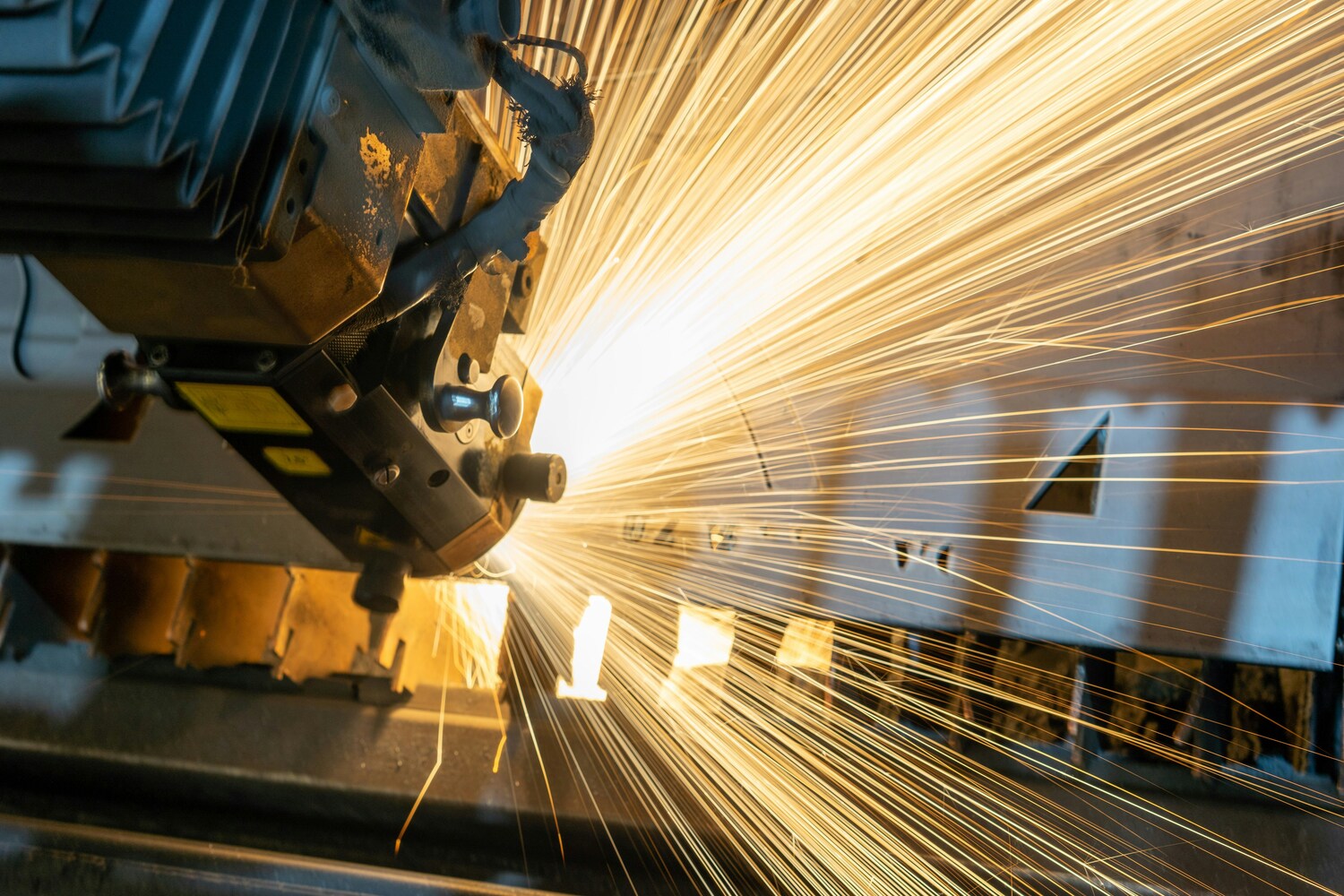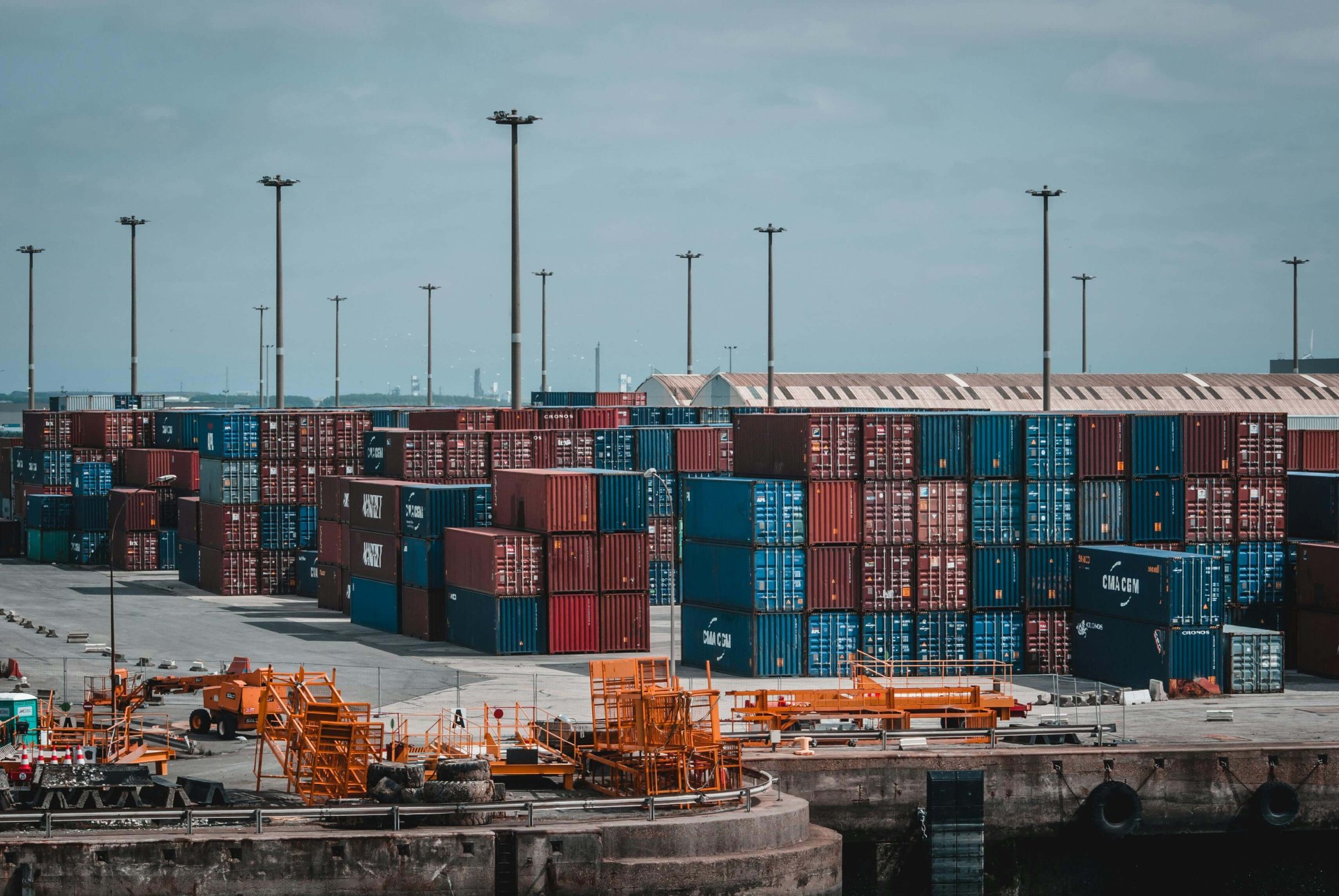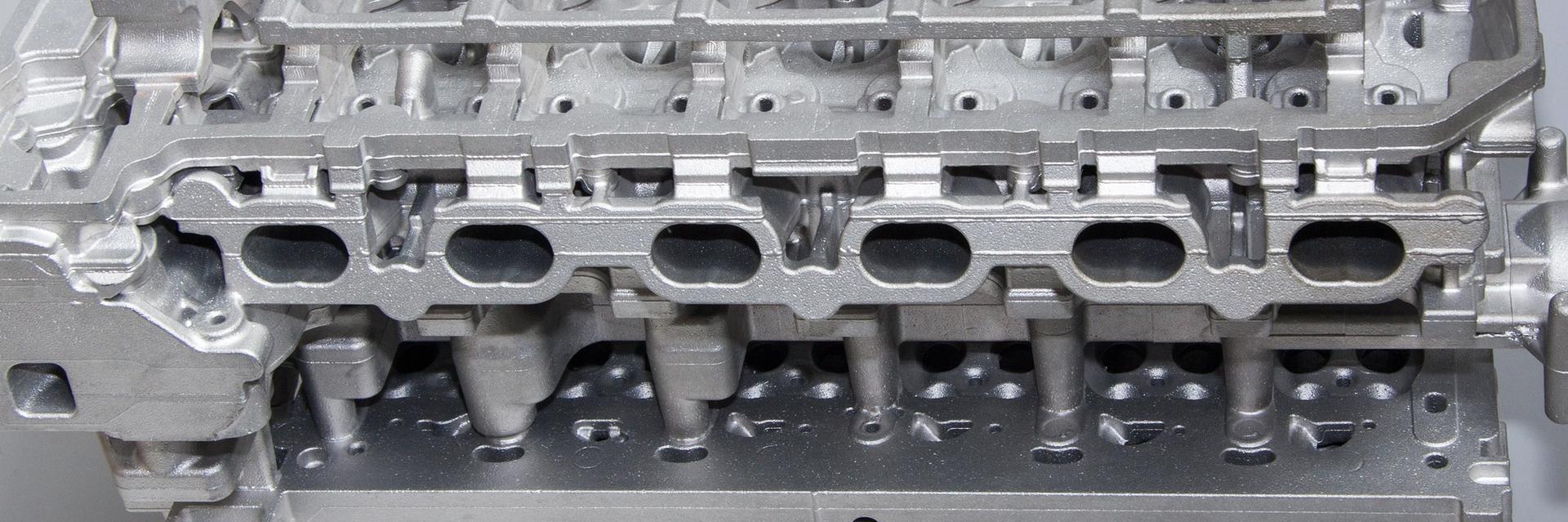
Vietnam's aluminum manufacturing base has changed substantially over the past decade. Extrusion presses concentrated in the south and die casting operations across northern clusters in Hanoi, Bac Ninh, and Hai Phong, as well as southern industrial zones in Binh Duong and Dong Nai, now supply Japanese automotive OEMs, Korean appliance and lighting groups, European industrial manufacturers, and solar and e-mobility supply chains across Asia and Europe.
Ten years ago the local base could handle architectural profiles and simple housings. Today it delivers anodized heat sinks, structural profiles for transport and solar, and pressure die cast housings, brackets, and lighting bodies to specifications that European buyers can actually use. The capability is real. It is also uneven, which is why supplier qualification matters more here than in more mature sourcing markets.
Why Vietnam for Aluminum Extrusions and Die Cast Parts
European manufacturers continue to move volume out of China due to China plus one activities, and aluminum is one of the categories where Vietnam has matured the fastest. Billet supply has improved, Korean and Japanese FDI has lifted die casting standards, and the cost gap on labour and energy versus China is still meaningful for mid-volume work.
Besides, trade access further strengthens the case with the EU Vietnam Free Trade Agreement removing duties on most industrial goods entering the EU on a defined schedule, and aluminum extrusions and castings sit within tariff lines that benefit. CPTPP and RCEP add preferential access for buyers serving Japan, Australia, Canada and the wider Asia Pacific.
The combination of an improving supplier base, lower input costs than China for many categories, and tariff access into the EU is what makes Vietnam worth shortlisting. None of that removes the need for proper qualification.
What Vietnam Can and Cannot Make
Aluminum Extrusions
Vietnam can produce most standard architectural and industrial profiles in 6063, 6061, 6005 and 6082. Surface finishes available locally include mill finish, anodized in standard colors, electrophoretic coating and powder coating. Common end uses include window and curtain wall profiles, heat sinks for power electronics and LED, T slot framing, transport profiles, ladder and frame components, and structural profiles for solar mounting.
Limits to be aware of: Very large press tonnages are rare, which constrains heavy cross sections. Besides, very tight tolerance profiles, complex hollow shapes with thin walls, and exotic alloys often still require import or a small set of specialist suppliers. CNC secondary machining is widely available but quality varies, so a profile that needs precise machined features should be qualified against a real drawing, not a sample.
Aluminum Die Cast Parts
High pressure die casting in ADC12 and A380 is the workhorse here. Local factories produce housings, brackets, gearbox and motor covers, lighting bodies, EV and e mobility components, telecom enclosures and small to mid size automotive structural castings. Machine sizes commonly available run from around 250 tons up to around 2,500 tons at the largest facilities, though presses above 1,600 tons are less common.
Limits to be aware of: Very large tonnage presses for big structural castings are scarce. Vacuum assisted die casting for safety critical automotive structural parts exists in a small number of FDI factories only. Magnesium die casting is rare. Secondary operations such as CNC machining, leak testing, impregnation, shot blasting and surface coating are available but should be confirmed for each supplier rather than assumed.
Where the Suppliers Are Located
Vietnam's aluminum manufacturing base divides into two distinct clusters, each with a different strength.
The north - covering Hanoi, Bac Ninh, Hung Yen, Hai Phong, and Vinh Phuc is where most precision-focused die casters and a growing share of extruders are located. Japanese and Korean OEM investment has shaped this cluster over the past two decades, and the quality standards reflect that. Hai Phong's port offers direct container access to Europe with transit times broadly comparable to ports in the south, and in some cases faster due to lower congestion than Cat Lai.
The south - centered on Binh Duong, Dong Nai, Long An, and Ba Ria-Vung Tau is where most of the larger extrusion presses and higher-volume architectural and industrial work are concentrated. The Cai Mep deep-water terminal in Ba Ria-Vung Tau handles large container vessels on direct routes to Europe and the US, which is an advantage for high-volume shipments. Capable die casters operate in the south as well, but the supplier mix here skews more toward volume and cost than toward tight-tolerance precision work.
Neither cluster is uniformly better. The north tends to suit buyers specifying precision die cast parts for automotive or electronics applications. The south tends to suit buyers sourcing higher-volume extrusion profiles or architectural aluminum at competitive cost.
Understanding the Supplier Landscape
Vietnam's aluminum supplier base splits into three distinct layers, and knowing which you are dealing with before the first purchase order matters more than almost anything else.
The first layer is sophisticated FDI and joint venture operations - Vietnamese branches of Japanese, Korean, and Taiwanese manufacturing groups, plus a small number of leading Vietnamese-owned factories that have invested to the same standard. These facilities run modern presses, documented work instructions, calibrated metrology, and quality systems that can hold tolerance and surface finish to international specifications. Pricing is firmer than the market average and capacity for new programs is limited. If you can get in, the qualification process is shorter and the ongoing management burden is lower.
The second layer is capable local factories - The equipment is generally adequate, the operators understand the work, and with the right support these suppliers can deliver to a standard European buyers can use. The risk is consistency: quality depends heavily on process discipline that is not yet fully embedded, which means output can vary between shifts, between batches, and over time. Structured ramp-up, clear inspection criteria, and some form of local oversight convert this layer from unpredictable to reliable. Without that investment, they will drift.
The third layer is trading companies presenting as manufacturers - The tell is a polished website, a generic ISO certificate, and factory photos that could have been taken anywhere in Asia. Some trading companies do legitimate coordination work and add real value. Many of them simply place orders with the cheapest available factory, mark up the price, and become difficult to reach when something goes wrong. The practical rule: if you cannot stand on the production floor and watch your part being made, treat the supplier as a trader until you have confirmed otherwise.
Raw Material, Alloy and Traceability
Vietnam imports a majority of its aluminum billet from China, South Korea, and the UAE. Some local remelting and secondary processing exists, converting imported primary aluminum or scrap into extrusion-ready billets, but domestic primary aluminum production remains limited and the raw material supply chain is largely import-dependent. For die casting, ADC12 and A380 ingot are widely available locally, often incorporating a meaningful share of recycled content. Recycled content is not a problem on its own, but it has to be controlled. Alloy drift from poorly managed secondary material is one of the more common sources of inconsistent mechanical properties in Vietnamese die cast parts.
Before placing a purchase order, confirm the following in writing:
- Which alloy specification will be used, with reference to a recognized standard such as those published by the Aluminum Association
- Where the billet or ingot is sourced and from which country
- Whether mill certificates will be provided with every shipment
- Whether the supplier supports spectrometer testing on incoming material, and how non-conforming heats are handled
These are routine questions for a capable supplier and a reliable filter for identifying those that are not.
Common Mistakes European Buyers Make
Starting with price before validating process - The piece price is the last thing that should drive a sourcing decision in Vietnam, not the first. A cheap quote for an aluminum die cast housing or an extrusion profile means little if the die design is flawed, the alloy drifts in production, or the supplier cannot hold the surface finish consistently across batches. The quote reflects the process. A cheap quote usually reflects a cheap process.
Skipping the die trial - The only real signal of a die caster's capability is a sampling run on the actual production die - not a prototype, not a render, not a quoted tolerance on a datasheet. Full dimensional inspection and visual assessment against the drawing, on parts made from production tooling, is the minimum before approving a program. Buyers who skip this step because the timeline feels tight are the ones calling about quality problems six months into production.
Underestimating tooling lead times and amortization - Extrusion dies are relatively straightforward and inexpensive. Die casting tools are neither. Eight to sixteen weeks for a production die is normal in Vietnam, and the amortization model only works if the committed volume actually materializes. If the commercial agreement and the tooling agreement are not aligned from the start, one of them will cause a problem later.
Treating ISO 9001 as a capability guarantee - ISO 9001 confirms that a quality management system exists and has been documented. It does not confirm that the system produces consistent output on the production floor. IATF 16949 carries more weight for automotive applications, but even that does not replace a hands-on factory assessment. Certificates are a starting point for qualification, not a conclusion.
Ending up with a trader without realizing it - If the company sending you quotations cannot show you their own press, their own die store, and their own quality records, you are buying through an intermediary. That arrangement is sometimes workable. It is never acceptable as an accident. Confirm who is actually making the part before the first purchase order goes out.
Managing a new supplier entirely from Europe - Remote oversight of a new aluminum supplier in Vietnam, by email, from a European procurement office, with no one on the ground, is the single most consistent reason these programs underperform. Quality on aluminum parts is decided during production, not after. Catching problems from 9,000 kilometers away, after the container has shipped, is significantly more expensive than catching them on the factory floor.
Tooling, Dies and IP
Tooling is where more disputes start than anywhere else in an aluminum sourcing relationship. The commercial terms feel abstract before production begins, which is exactly why buyers defer them and exactly why they should not.
Settle four things in the contract before the first purchase order goes out: Who owns the die, who paid for it, and how that cost is recovered across the committed volume. Where is the tooling physically stored, and what is the process if you move production to a different supplier. How are engineering changes requested, approved, and priced, because changes will happen, and the absence of a process for handling them creates leverage for the supplier. What validation steps are required before mass production begins, including a first article inspection report with dimensional results against the drawing. For automotive programs, a PPAP-style documentation package is standard practice and worth insisting on from the outset.
IP risk in Vietnam does exist but is manageable. Use controlled drawings rather than open file sharing, limit who within the supplier organization has access to full assembly details, and where a part carries genuine IP value, consider splitting the tooling so that no single supplier holds everything needed to reproduce the complete assembly. None of this eliminates risk entirely. It raises the cost and complexity of replication enough to matter.
How to Start
A workable sequence looks like this. Define the part properly, with drawings, alloy, tolerances, finish, test requirements and target annual volume. Build a shortlist of three to five suppliers that match the part type and volume band. Issue a structured RFQ with the same package to each. Visit and assess the shortlisted factories on site, not over video. Run a paid sampling trial on the preferred supplier or suppliers. Validate the first article inspection results against the drawing. Only then nominate, and build local quality oversight into the programme from day one.
If you are evaluating aluminum alongside other categories, our existing notes on sourcing sheet metal components from Vietnam, CNC machined precision parts and automotive components cover the supplier landscape from related angles.
Closing
Vietnam's aluminum manufacturing base has reached a mature point where increasingly more European companies start engaging with it. The capability to deliver European-grade extrusion profiles and die cast components exists reliably enough within the right supplier tier. The cost position is competitive against China on a total landed cost basis in many cases, and for EU buyers the EVFTA tariff advantage adds a benefit that is not available from any other major Southeast Asian sourcing country. What has not changed is the qualification work required to access that capability reliably. The gap between Vietnam's best aluminum suppliers and its average ones is wider than the equivalent gap in China or Taiwan. A buyer who treats Vietnam as a drop-in replacement for an established Chinese supplier relationship, without the factory assessment, the tooling discipline, and the local oversight, will find the market frustrating. A buyer who approaches it as a new supply base that requires proper setup will find it increasingly competitive.
The suppliers that can hold your drawing, your alloy, and your finish at scale are there. The work is in finding them, qualifying them properly, and maintaining the oversight that keeps production consistent once it starts. That is not unique to Vietnam. It is just more visible here than in markets where the supplier base has had longer to mature.