Many companies setting up production in Vietnam decide between a ready-built and a build-to-suit factory sooner than they expected, and many get it wrong. They treat it as a property decision and overlook what it means for their operations.
A ready-built factory and a build-to-suit facility affect how fast you can start producing, and how much you need to commit before you know that the market works.
What each option means in practice
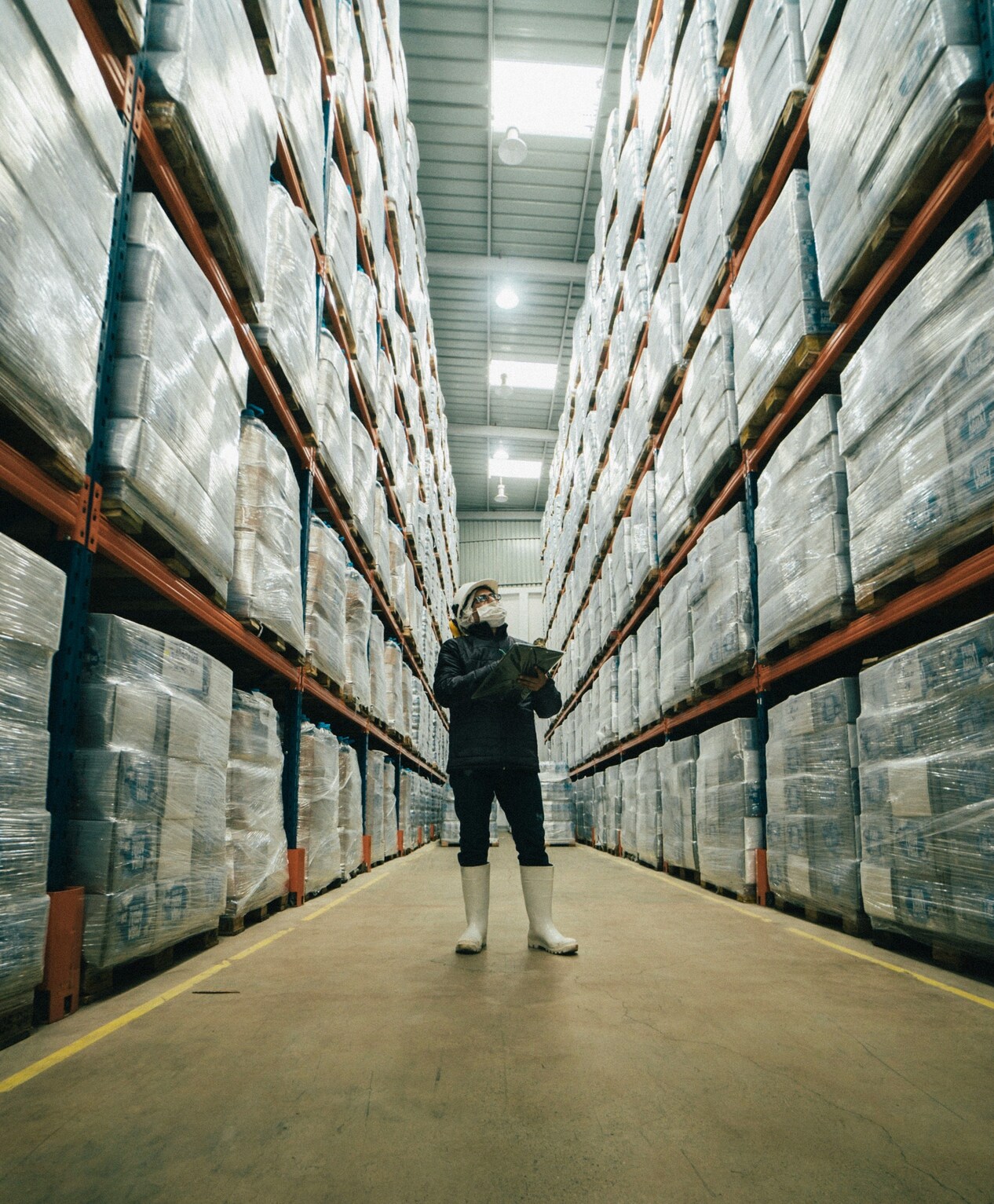
As it speaks, a ready-built factory is already built. A developer has constructed it to a standard specification, secured the construction permit, managed the environmental assessment, and received fire safety certification. Most of the regulatory groundwork is already done from start.
A build-to-suit facility is designed and built according to your specification by a developer, then leased back to you long-term. You get exactly the building your process needs, but you wait for it, and you take on far more of the permitting and construction risk along the way.
Buying land and building a factory yourself is a third option, but for most foreign manufacturers it is slower and more complex than either of the above.
Differences in time needed to get started
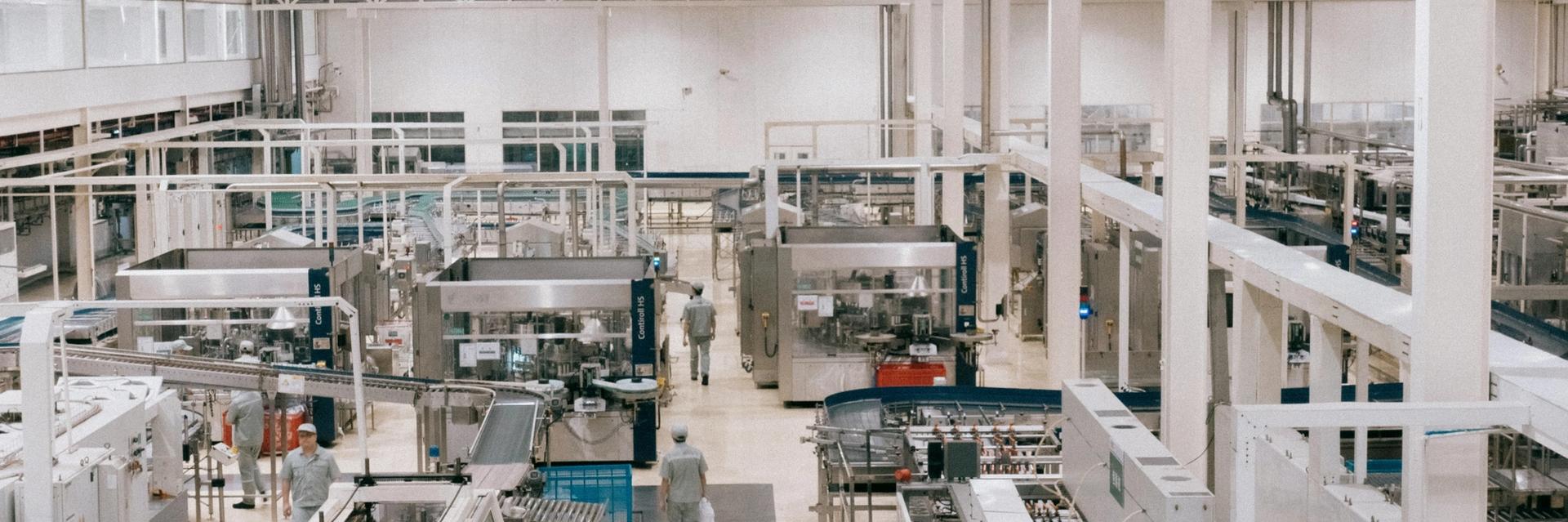
This is where the two options differ much. With a ready-built factory, the building already exists and is certified, so licensing, fit-out, and hiring can all happen at the same time. Companies can sometimes be producing within a few months. A more complex fit-out with heavy equipment takes longer, but you are still measuring the timeline in months, not years.
Build-to-suit runs on a different clock entirely. Between design, permitting, construction, and commissioning, you are looking at well over a year before the first unit is produced. If you have delivery commitments, seasonal deadlines, or customers in Europe or the US with penalty clauses in their contracts, such a delay can create issues.
The companies that face issues are usually the ones who underestimate how long a custom build takes and had already made commitments they can not meet.
How much does it cost
Ready-built factories have no upfront construction costs but higher monthly rents, while build-to-suit requires capital upfront but potentially a lower cost per square meter over a long lease.
As a rough guide based on early 2026 market data, ready-built factory rents in Vietnam run around US$4 to US$7 per square meter per month, depending on location, building grade, and technical specification. For a mid-sized facility of several thousand square meters, that translates into a monthly rent in the tens of thousands of dollars. Industrial land, the starting point for a build-to-suit or self-build, averages around US$190 per square meter for the remaining lease term in the southern industrial hubs, and less in the north. On top of land, construction adds a significant sum before the building is usable. These figures move with the market and vary widely by province and building quality, so treat them as a sense of scale rather than a quote, and confirm current rates for the specific location you are considering.
A ready-built rent quote often covers a bare shell: walls, roof, floor, and basic utility connections. What matters more is the total cost of occupancy once you add fit-out, service charges, deposits, utility connections, and tax. That figure is usually well above the rent on the brochure, and it is the one to budget against.
Build-to-suit ties up serious capital before you earn a single dollar of revenue: land, construction, infrastructure, permits. For a company with proven volume and a long horizon, that capital is well spent. For a company still testing whether Vietnam works, it is a large commitment made before you see results. Where the two break even depends on your size and how long you plan to stay, which is why this is worth modeling properly against your own numbers.
What you can and cannot change
In a ready-built factory, the structures are fixed such as floor loading, the ceiling height, column spacing, power supply, fire systems. You can add internal walls, a mezzanine, extra drainage but you cannot make structural changes. For light manufacturing, assembly, and most electronics and consumer-goods work, a standard specification is usually adequate.
Build-to-suit exists for when it is not adequate. If you need heavy floor loading, unusual power supply, cleanrooms, explosion-proof zones, or a column-free span, those get built into the design from the start. When a standard building genuinely limits what you can produce, this is the option that solves the problem, and it is the main reason to accept the longer timeline and larger commitment.
The regulatory requirements most people overlook at a start
This rarely shows up in a cost comparison, but it should. With a ready-built factory, the developer has already handled the construction permit, environmental assessment, and fire certification. In a market like Vietnam where approvals are neither fast nor entirely predictable, that head start removes delays and frustration before you even start.
With build-to-suit, that burden shifts to you, or to you and the developer jointly. Every permit and assessment adds time, and each one needs either local knowledge or a developer with a genuine track record of getting these approvals through. This is one of the most underestimated differences between the two options, and it is where inexperienced entrants lose months they had not budgeted for.
Choosing Northern or Southern Vietnam
Availability is not the same across the country. In the north, around Hanoi, Bac Ninh, Hai Phong, and Hung Yen, ready-built space is not as available with higher occupancy rates. Demand is driven largely by electronics and high-tech manufacturing.
In the south, around Ho Chi Minh City, Binh Duong, Dong Nai, and Long An, the availability of ready-built inventory is larger, with faster operational readiness, better exit flexibility, and a larger, more mobile labor pool for hiring purposes. Both regions are absorbing new supply faster than is being built, so lead time on securing space is worth planning for either way.
Lease terms and the freedom to walk away
Ready-built leases are usually 3-5 years with renewal options. Walking away means removing your equipment and handing back the keys with no property to sell, no fixed asset to write off. For a company still trying the market, that flexibility can be worth much.
Build-to-suit leases run much longer, 10-15 years or more, because the developer needs the term to recover the build cost. Exiting early is therefore expensive. If your volume is certain and your horizon is long, that is fine. If you are still finding out whether Vietnam works for you, it is a heavy commitment to make before you know the answer.
Start with ready-built, build-to-suit when the case is proven
For most companies entering Vietnam, a ready-built factory is the right way to start. It is faster, carries less regulatory risk, and does not lock you into a long commitment before you know the market works.
Build-to-suit makes sense once that is no longer in question - when you have proven the market, you know your volume, and your production genuinely needs something a standard building cannot provide. For many companies that point comes at expansion, or when a lease is up for renewal and a larger, purpose-built facility is the logical next step. For others it never comes at all, and progressively larger ready-built space serves them well for years. The mistake is committing to a custom build at the outset, before any of that is settled.