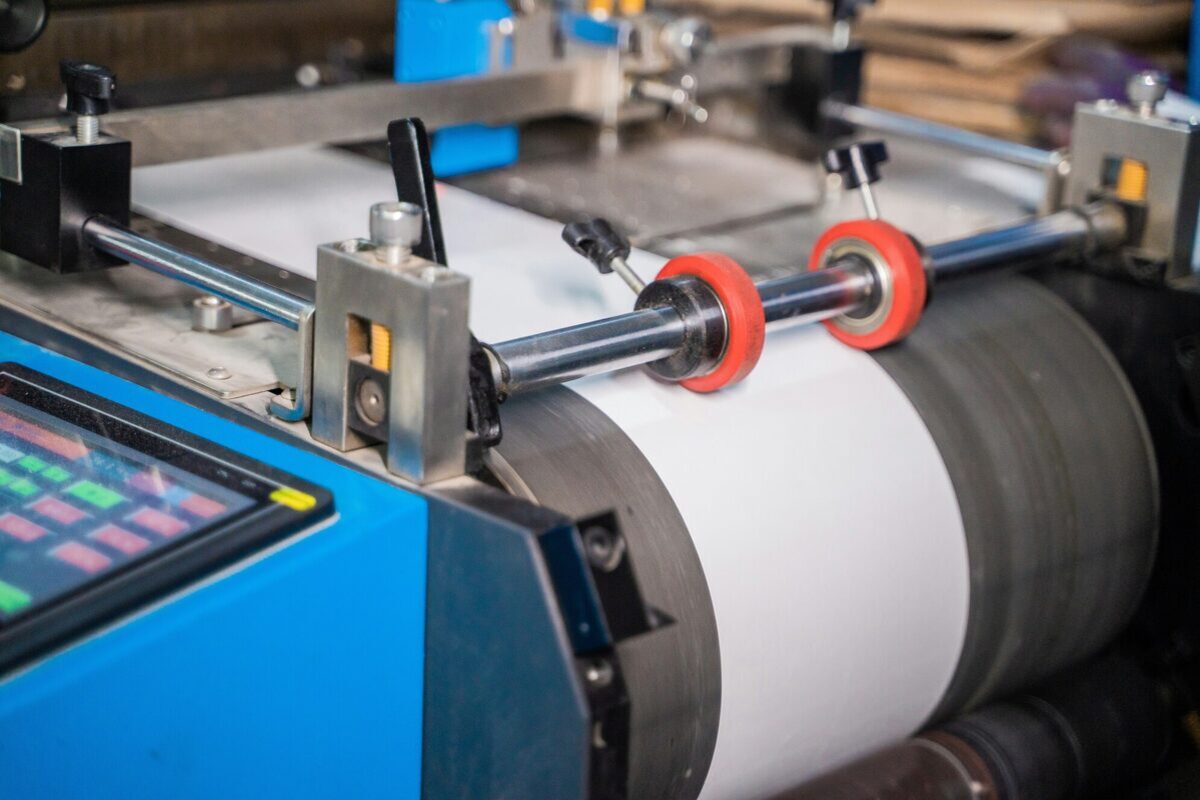
Southeast Asia entry roadmap for an Italian corrugated board machinery manufacturer
Country selection, people setup, warehouse and legal entity plan for a regional after-sales service hub.
 Case lead: Lukas Faxå, Managing Partner
Client context
The client, an Italian manufacturer of machinery for the corrugated board industry, has machines installed across Southeast Asia and ships spare parts to the region from its Asian headquarters in China and from Europe.
To grow in the region and give customers faster service, the client wanted a local after-sales hub. Management needed to know which country to choose, how to set up the people and the warehouse, and what it would cost.
The challenge
- Five countries to compare on the same terms: Vietnam, Indonesia, Thailand, Malaysia and Singapore
- Service engineers based in one country who can travel to customers in the rest of the region at short notice
- A warehouse setup that gets spare parts to customers quickly
- A legal setup that lets the client start fast and grow step by step
- Costs that stay competitive
APAC Advantage team's role
APAC Advantage built the client's Southeast Asia entry roadmap. The work covered the choice of country, how to employ and move service engineers across the region, the warehouse, the legal entity, a cost model and the steps to get started.
Our approach
Agreed the criteria with the client
Together with the client we set 12 criteria and agreed how much each one counts. Service level carried 60% of the weight and cost and scale 40%.
Compared the five countries
We ranked each country on the client's installed base, shipping time to the other markets, customs clearance, duties on spare parts, warehouse options, the pool of engineers, how easily engineers can travel in the region, and the cost of running a local company. Indonesia and Vietnam made the shortlist.
Chose the hub based on growth
The client's priority is selling new machines, so we ran a second ranking with more weight on market growth. On that view Vietnam came out as the best base for the region.
Planned the people setup
We worked out how to hire local engineers, how they can travel to Indonesia, Thailand and other markets on short notice, and how Chinese engineers can come in to support. This included visas, work permits and the option to start with staff employed through a local partner before the client has its own company.
Planned the warehouse and legal entity
We compared warehouse options, from a shared space with a logistics provider to a unit of the client's own. We also compared entity types and mapped each step, timeline and tax point for setting up a company in Vietnam and Indonesia.
Built a two-year cost model
A month-by-month model covered a pilot year and a full setup year, with low, medium and high cases for staff, warehouse and company costs.
Outcome
- Vietnam recommended as the regional service hub, serving Indonesia and Thailand
- A clear plan for hiring service engineers and moving them across the region
- A warehouse plan that starts small and grows with demand
- A legal entity plan with each step and timeline
- A two-year cost model with three cases
- An entry roadmap presented to the client's group leadership
Services demonstrated
- Southeast Asia market entry strategy
- Country comparison and selection
- Regional staffing and engineer mobility
- Warehouse and spare parts setup
- Legal entity setup planning
- Cost modelling for market entry
Read more cases

Executing a go-to-market launch in Vietnam for a global industrial machinery manufacturer

Southeast Asia market entry and export strategy for a global industrial goods manufacturer

Developing a Southeast Asia go-to-market plan for a European industrial paint and coating solutions provider